Permission Manager
by _ForgeUser11875782 · CurseForgePermission Manager can handle all your permission nodes!
Updated October 17
Permission Manager can handle all your permission nodes!
AutoSneak
UnlimitedRecipes
Tesla Coil mob control
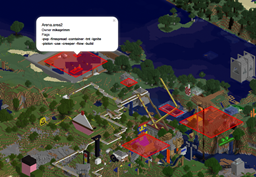
Show Residence zones and subzones on Dynmap, with dynamic updates
Mutechat plugin
The complete collection of Multitallented's Heroes Skills
Keep those Canadians annoyed!
SwearinBlocker
Broadcast Messages through the BossBar
A custom enchantment plugin based on Zenchantments
An easy and convenient way for admins to create kits for players while never leaving the game!
This plugin lets you accidentally spawn items after killing mobs you choose in the config!
This plugin makes spawners minable using SilkTouch tools
A modern & fast Bedwars Shop.
Do you want to have a fun, grindy rpg plugin on your server, so Players would stay... just a bit longer?
EpicEnchant
InfChests
Island World addon
MySQL or FlatFile Economy Bank System using signs.
A simple fabric mod that adds 70+ new minecraft trades for wandering traders!
honeypot griefer traps
Multiworld-Manager/-Teleporter
Headsteal PvP with a twist. Steal a player's head to banish them from the server.
A plugin runs only on the server and requires nothing from players: the client stays vanilla. A mod has to be installed by everyone, and it changes the game itself.
Put the .jar file in the plugins folder on the server, then restart the server. The plugin will create its config on first launch.
Usually yes: Paper and Purpur are built on Spigot and are compatible with its plugins. The reverse isn't true — a plugin that uses Paper features won't work on plain Spigot.
On Aternos, plugins can only be installed from the built-in list in the “Plugins” section of the panel. You can't upload your own .jar file, so paid and rare plugins can't be installed on Aternos. If the plugin you need isn't on the list, you need hosting with access to the plugins folder: put the file there and restart the server.
People usually start with four: EssentialsX (homes, warps, kits, teleport), LuckPerms (groups and permissions), WorldGuard together with WorldEdit (spawn and region protection) and ViaVersion (joining from other game versions). For a server with nickname login, add AuthMe for passwords and SkinsRestorer for skins.
A small server for friends needs just a few: EssentialsX (home, teleport to a friend, warps), CoreProtect (rolling back griefing and finding who broke a block) and Simple Voice Chat for voice chat, which needs the mod of the same name on players' side. Permissions and region protection are usually unnecessary on such a server.
Download the plugin file for your Paper version, put the .jar into the plugins folder and restart the server — the /plugins command will list it. On Millida Hosting the On a server button on the plugin page does the same.
A plugin is installed on the server, not by the player, and that's the whole difference from a mod: the client stays plain vanilla, and you can join the server without downloading a single file. Plugins run on server cores — Paper, Spigot, Bukkit, Purpur, Folia — while Velocity and BungeeCord are used for proxies between servers. The core matters as much as the version: a Paper plugin will almost always run on Purpur, but a Velocity plugin won't start on a regular server at all.
The useful minimum for a server is almost always the same: EssentialsX for basic commands, LuckPerms for permissions, WorldGuard together with WorldEdit for region protection and CoreProtect to roll back griefing. Servers with nickname login add AuthMe and SkinsRestorer, servers for friends add Simple Voice Chat. On Millida Hosting a free plugin from the catalog goes onto the server with the On a server button on its page, no manual .jar upload.
Plugins handle almost everything behind the scenes on a server: ranks and permissions, land protection, economy and shops, anti-cheat, map rotation, menus and voting. You install them by copying the .jar file into the plugins folder and restarting the server; most create their own config on first launch, which is what you then edit. The card lists supported cores and game versions, the author and license, and all releases are gathered on one page — you can update the plugin right from there.