AutoUpdatePlugins
by NewAmazingPVP · Modrinth(Original AutoUpdatePlugins) Automatically update any plugin you wish!
(Original AutoUpdatePlugins) Automatically update any plugin you wish!
Server-side anti-cheat plugin that detects Baritone, bots and other automation: aim locks, movement patterns, mining timers. Paper, Spigot, Folia. Open source.
Crouch, click, piggyback!
General purpose API for my plugins. Just contains some utility classes and methods.
Detect and control custom villages.
An easy-to-use quests plugin, using intuitive GUIs and with extensive possibilities!
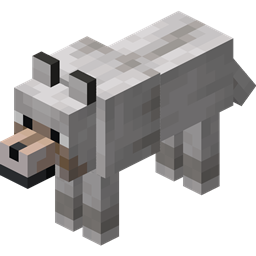
Tamed wolves but at least 10x better
Clean StaffChat is a basic StaffChat plugin, compatible with Paper, Folia, Spigot, BungeeCord and Velocity (RedisBungee is supported).
Ultimate server security, available as a mod and plugin. Blocks cheating mods and the most popular hacked clients, Anti-BOT & VPN, prevents crash-items, OP Protection, and more!
Filter messages sent to your Velocity, Sponge and Paper consoles
Automatically update Geyser and Floodgate!
Allows you to trade with players using the Villager GUI.
Add survival-friendly craftable mini blocks to Minecraft!
A simple, yet very powerful system for making physical shops using signs and chests!
Jump through a portal in to any Multiverse destination imaginable
Secure Velocity auth plugin with auto-login for premium players and registration/login for offline players.
Easy way to store your XP
Highly configurable spawn plugin. Teleport to a custom spawnpoint by command or on specific events.
See how your statistics compare with others on your server!
An antibot plugin to protect your server from bot attacks with a built-in AntiVPN system
A modular vanish system for Minecraft servers
Silk Touch spawners implemented in a vanilla/smp friendly way! Fully configurable with different things that could happen with breaking spawners! Available as plugin / mod
An inventory management plugin created to intertwine with Multiverse-Core
Lightweight Spigot/Bukkit API library that provides developers with utility methods, performance-focused abstractions, and shared systems to speed up plugin development.
A plugin runs only on the server and requires nothing from players: the client stays vanilla. A mod has to be installed by everyone, and it changes the game itself.
Put the .jar file in the plugins folder on the server, then restart the server. The plugin will create its config on first launch.
Usually yes: Paper and Purpur are built on Spigot and are compatible with its plugins. The reverse isn't true — a plugin that uses Paper features won't work on plain Spigot.
On Aternos, plugins can only be installed from the built-in list in the “Plugins” section of the panel. You can't upload your own .jar file, so paid and rare plugins can't be installed on Aternos. If the plugin you need isn't on the list, you need hosting with access to the plugins folder: put the file there and restart the server.
People usually start with four: EssentialsX (homes, warps, kits, teleport), LuckPerms (groups and permissions), WorldGuard together with WorldEdit (spawn and region protection) and ViaVersion (joining from other game versions). For a server with nickname login, add AuthMe for passwords and SkinsRestorer for skins.
A small server for friends needs just a few: EssentialsX (home, teleport to a friend, warps), CoreProtect (rolling back griefing and finding who broke a block) and Simple Voice Chat for voice chat, which needs the mod of the same name on players' side. Permissions and region protection are usually unnecessary on such a server.
Download the plugin file for your Paper version, put the .jar into the plugins folder and restart the server — the /plugins command will list it. On Millida Hosting the On a server button on the plugin page does the same.
Plugins for Minecraft 1.19.3: 607 items in the Plugins section. Compatibility is checked against the files, not the description: only items with a build for exactly these conditions stay in the list.
Plugins handle almost everything behind the scenes on a server: ranks and permissions, land protection, economy and shops, anti-cheat, map rotation, menus and voting. You install them by copying the .jar file into the plugins folder and restarting the server; most create their own config on first launch, which is what you then edit. The card lists supported cores and game versions, the author and license, and all releases are gathered on one page — you can update the plugin right from there.